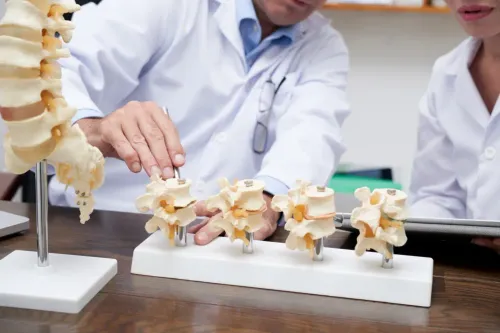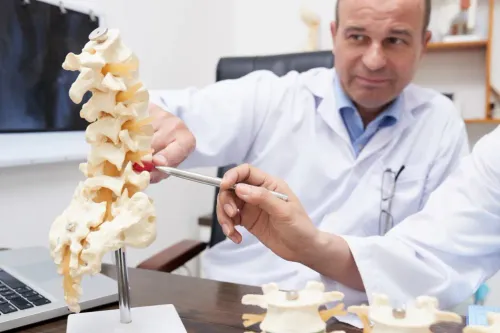



Most people experience back pain at some point in life. For many, it improves within a few weeks with rest and simple treatment. However, when pain continues for several weeks, keeps returning, or begins affecting daily activities, it may indicate an underlying spinal condition that requires proper evaluation.
Persistent back pain should never be dismissed as a normal part of ageing or a consequence of a busy lifestyle.
Not All Back Pain Is the Same
Back pain can originate from muscles, joints, discs, ligaments, nerves, or even internal organs. Identifying the actual cause is essential because treatment differs significantly for each condition.
Common spinal causes include:
- Slip disc
- Degenerative disc disease
- Spinal stenosis
- Facet joint arthritis
- Spine infection
- Compression fractures
- Mechanical back strain
Without an accurate diagnosis, temporary pain relief may not address the underlying problem.
Warning Signs That Require Medical Evaluation
Seek professional assessment if your back pain:
- Lasts longer than six weeks
- Worsens instead of improving
- Radiates into the legs
- Causes numbness or tingling
- Makes walking difficult
- Disturbs sleep regularly
- Develops after an accident
- Is accompanied by fever or unexplained weight loss
These symptoms may point toward conditions requiring specialist treatment.
Why Self-Treatment Has Limits
Many people depend on repeated painkillers, massage devices, or internet-based exercise routines without understanding the exact diagnosis.
While temporary relief is possible, incorrect exercises or delayed treatment may worsen certain spinal disorders, particularly if nerve compression or spinal instability is present.
A structured clinical assessment provides a safer and more effective treatment plan.
Modern Approaches to Back Pain Management
Treatment is based on the specific cause rather than the severity of pain alone.
Options may include:
- Medication
- Physiotherapy
- Lifestyle modification
- Core strengthening
- Image-guided injections
- Minimally invasive procedures when indicated
- Spine surgery for carefully selected cases
Most patients improve without surgery when treatment begins early.
Getting Expert Assessment Close to Home
For people living in Malad East, Malad West, Goregaon East, Goregaon West, Ram Mandir, Dahisar East, and Borivali East, prolonged commuting and desk-based work often contribute to chronic back pain.
Dr. Nishad Situt Spine Surgeon emphasizes identifying the root cause before recommending treatment. Clinical examination, neurological evaluation, and imaging are combined to create an individualized management plan rather than relying solely on MRI findings.
Persistent back pain is not something you simply have to live with. A timely evaluation can identify the underlying condition and help restore comfort, mobility, and confidence in daily life.