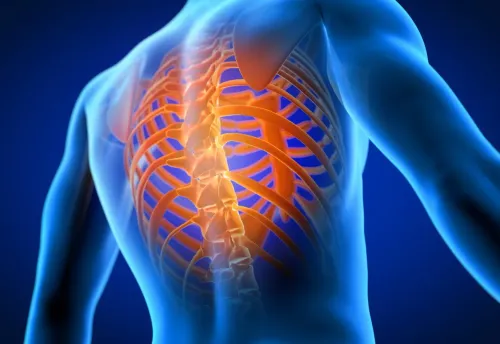



Back pain is one of the leading reasons people seek medical attention. However, many patients are unsure whether they should consult a general orthopaedic surgeon, a spine specialist, or another healthcare professional. Choosing the right expert can speed up diagnosis and ensure that treatment matches the actual cause of the problem.
While every spine specialist has advanced knowledge of spinal disorders, not every orthopaedic surgeon focuses exclusively on the spine. Understanding this difference helps patients receive more targeted care.
What Does a Spine Specialist Treat?
A spine specialist evaluates conditions affecting the cervical, thoracic, and lumbar spine. Their expertise includes diagnosing both simple and complex disorders involving bones, discs, nerves, ligaments, and the spinal cord.
Common conditions include:
- Slip disc
- Neck pain
- Chronic back pain
- Spinal stenosis
- Spine fractures
- Cervical myelopathy
- Spinal infections
- Degenerative disc disease
Treatment recommendations may include medication, rehabilitation, injections, minimally invasive procedures, or surgery depending on the diagnosis.
When Can a General Orthopaedic Surgeon Help?
General orthopaedic surgeons manage a broad range of bone and joint problems such as:
- Knee injuries
- Hip arthritis
- Shoulder pain
- Sports injuries
- Fractures
- Joint replacement surgery
Many also treat common spinal complaints. However, patients with persistent neurological symptoms or complex spinal disorders often benefit from evaluation by a surgeon whose practice focuses primarily on spine care.
Signs You Should See a Spine Specialist
You may benefit from consulting a spine specialist if you experience:
- Pain lasting longer than six weeks
- Pain spreading into the legs or arms
- Repeated episodes of slip disc
- Difficulty standing or walking
- Tingling or numbness
- Muscle weakness
- Loss of balance
- Persistent neck pain affecting daily activities
These symptoms often require detailed neurological assessment rather than simple pain management.
Why an Accurate Diagnosis Matters
Many spinal conditions produce similar symptoms. For example, leg pain may originate from a slipped disc, spinal stenosis, hip arthritis, or even vascular disease.
A spine-focused assessment combines:
- Medical history
- Physical examination
- Neurological testing
- MRI or CT scans when required
- Functional assessment
This approach helps avoid unnecessary treatments and improves long-term outcomes.
Choosing Care Close to Home
Patients living in Malad East, Malad West, Goregaon East, Goregaon West, Ram Mandir, Dahisar East, and Borivali East often prefer specialists who understand the lifestyle demands of Mumbai commuters and working professionals.
Dr. Nishad Situt Spine Surgeon provides comprehensive evaluation for spinal disorders, carefully explaining whether symptoms require conservative treatment or surgical management. Rather than recommending surgery for every MRI finding, treatment decisions are based on clinical evidence and the patient's functional needs.
If your back or neck pain continues despite medication or physiotherapy, consulting the right specialist can provide clarity and help you return to normal activities with confidence.