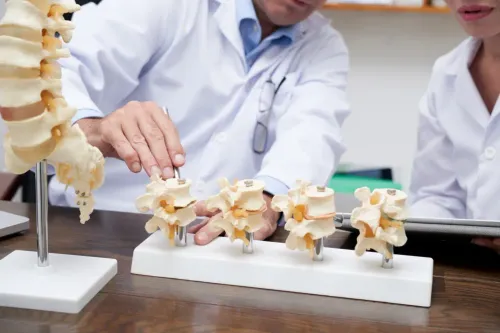


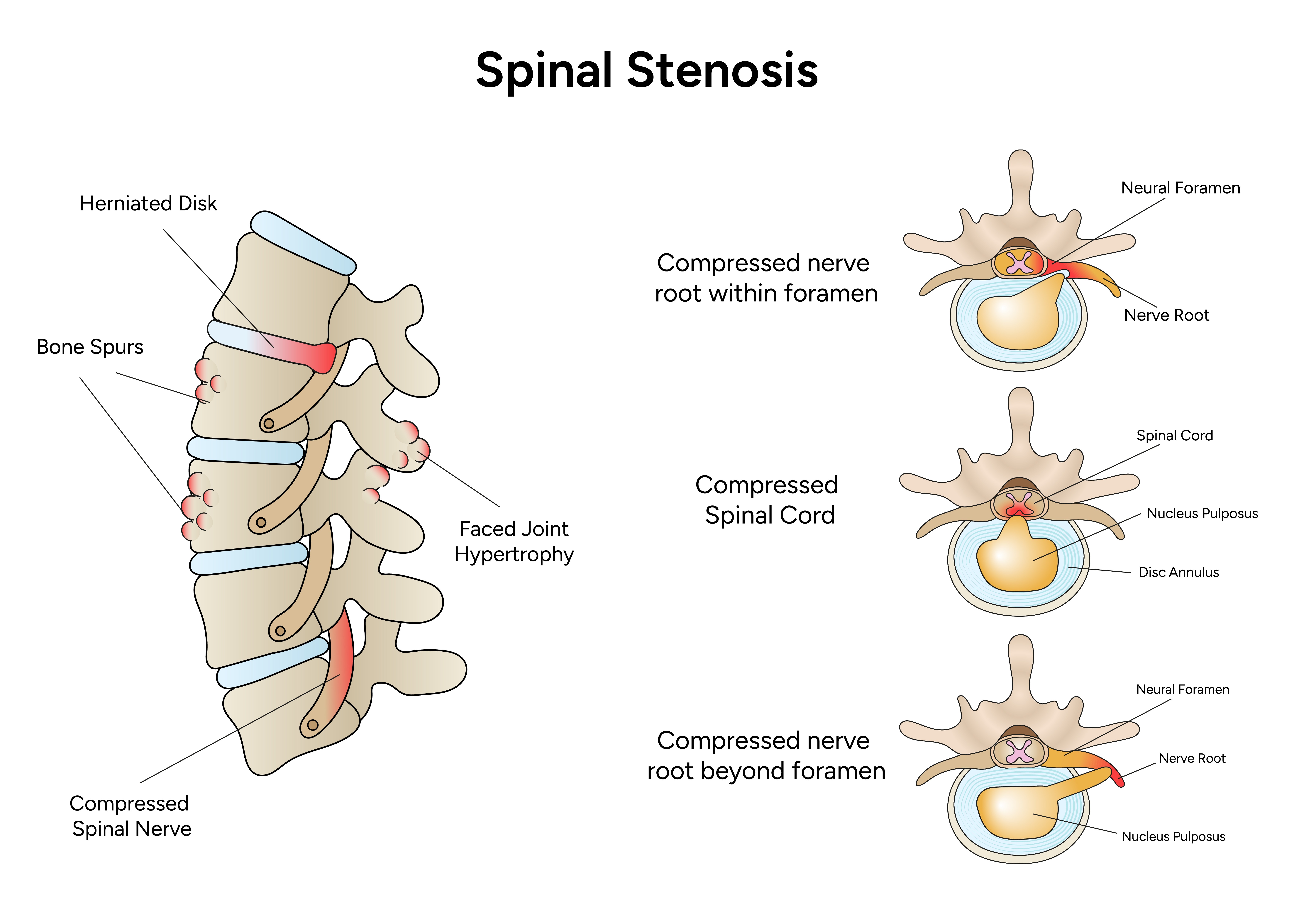
Spinal stenosis develops when the spaces within the spine become narrower, placing pressure on the spinal cord or nearby nerves. It most commonly affects older adults, although younger individuals may also develop the condition because of injuries or congenital spinal abnormalities.
Many patients initially mistake spinal stenosis for ordinary back pain, delaying diagnosis until walking becomes increasingly difficult.
What Causes Spinal Stenosis?
The condition usually develops gradually due to age-related changes in the spine.
Common causes include:
- Degenerative arthritis
- Thickened spinal ligaments
- Bulging or slipped discs
- Bone spurs
- Previous spinal injuries
- Congenital narrowing of the spinal canal
As pressure on the nerves increases, symptoms tend to become more noticeable.
Common Symptoms
Unlike simple muscle strain, spinal stenosis often produces symptoms that worsen while standing or walking.
These may include:
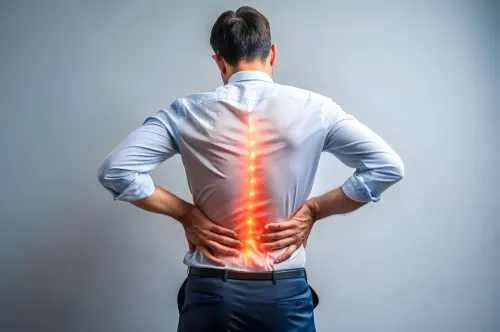
- Persistent lower back pain
- Pain radiating into the legs
- Tingling or numbness
- Weakness in the legs
- Difficulty walking long distances
- Relief while sitting or bending forward
In severe cases, bladder or bowel dysfunction requires urgent medical attention.
Can Spinal Stenosis Be Treated Without Surgery?
Yes. Many patients experience significant improvement through conservative treatment.
Management may include:
- Physiotherapy
- Anti-inflammatory medication
- Activity modification
- Weight management
- Core strengthening exercises
- Image-guided spinal injections in selected cases
Regular follow-up helps determine whether symptoms are improving or progressing.
When Is Surgery Recommended?
Surgery may be considered when:
- Walking distance continues to decrease.
- Leg weakness develops.
- Conservative treatment fails.
- Daily activities become significantly limited.
- Neurological symptoms worsen.
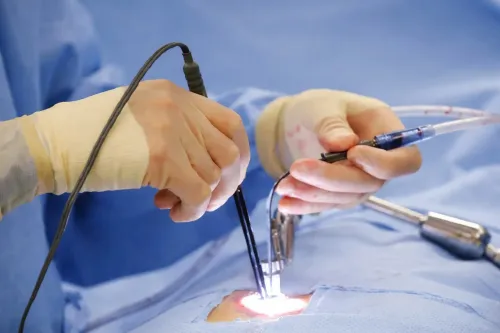
The goal of surgery is to relieve pressure on the affected nerves while preserving spinal stability whenever possible.
Timely Evaluation Improves Outcomes
Residents of Malad East, Malad West, Goregaon East, Goregaon West, Ram Mandir, Dahisar East, and Borivali East frequently spend long hours commuting, which can aggravate symptoms of spinal stenosis.
Dr. Nishad Situt Spine Surgeon assesses spinal stenosis through a combination of clinical examination, neurological assessment, and imaging studies before recommending individualized treatment. Some patients respond well to non-surgical care, while others benefit from timely surgical decompression before permanent nerve damage occurs.
Ignoring progressive symptoms may reduce future treatment options. Early diagnosis allows patients to maintain mobility, independence, and quality of life for longer.